By Aurora Willis
When I ask people about their childhood, they often tell a general story but they can’t remember vivid details. Thanks to my semi photographic memory, I can recall very detailed moments from my childhood. One of my earliest memories, I was staring at my reflection in the window of our sliding glass door, I asked my mom if it was possible for me to straighten my hair and dye it blond. My mom told me I didn’t need to do that, that I was beautiful and didn’t need to change anything, she even told me that she wished she had my hair. So I reframed the question, I asked if I would be able to do it when I was older. She told me I would have to straighten it everyday, and I told her I could do that, I than asked her if it was possible to change my eye color. I have a lot of memories like this. Memories where I would draw myself with blond hair and blue eyes, moments where I would pick the blond hair blue eye doll over others. Looking back at those memories now, I know the reason I did this was because of representation, or rather, a lack of representation.

As a kid I loved stories, most specifically I loved fairy tales. If there was anything with princesses, mermaids, or fairies I would watch or read it. But the thing was none of these characters, who as a kid I looked up to an inspired to be like, looked like me. My favorite characters were often pale, with blue eyes, and straight hair. While I on the other hand was a little mixed girl, with dark eyes, and curly hair that often had a mind of its own. Whether intentional or not, to my young brain I wanted to be like these characters, I wanted to be beautiful and all these great things that these characters were, I would have to look different from who I was. While these characters taught me a lot about kindness and the importance of doing good, because they were also described as “The Most Beautiful In The Land.” They made me feel like I wasn’t good enough, that I need to change myself. Things changed when The Princess and the Frog came to theaters. Seeing Tiana not just as a princess, but all in all a strong character with dreams and aspirations, not only help inspired my work ethic, but helped me to better embrace my black identity and want to actually learn about our peoples history. It was a wake up call for me, that brown girls could be princesses. While my dad couldn’t tell me everything I wanted to know about race (given I was still in Kindergarten) he told me more about his side of the family. This act of self discovery counited when my mom showed me the film Pocahontas. While watching my dad told us about our family also being part Native American. I remember being so ecstatic that I asked my dad if we were in fact related to the real Pocahontas. Spoiler alter: we are not.

However, I don’t think I truly break free of my past insecurities until I got into Superheroes and comics. Another memory I remember vividly was one day as a kid I went shopping with my parents at the Dollar Tree. While there I stumbled upon a kids book that was all about different kinds of superheroes and villains. As I flipped though it, I stop at one page which showed a women with black skin and white hair. When I asked my dad who she was, he told me that was Storm of the X-Men. From that day on I made it my mission to find anything that had Storm in it. From books, comic, tv shows, and movies, I collected Storm media like Thanos collected Infinity Stones. While princesses like Tiana and Pocahontas helped me become more accepting of my identity and looks, Their stories were only told once. With superheroes I could find these characters all across different types of media. This representation didn’t just change how I saw myself, it change how I saw my family too. I had always felt safe with my dad because he was my dad, but after watching John Steward in the animated shows Justice League and Justice League Unlimited, I began to see him as more than just that, I began to see him as my very own superhero. It also help that going to the gym is one of his favorite hobbies.

As I got older, I begin to understand the impact that representation has on the media and the people who consume it. That its not just about seeing yourself reflected, but others as well. While my parents taught me a lot, they had their blind spots, blind spots that I was able to learn more about because of representation in media. The Ms. Marvel comics showed me what the Muslim religion actually stood for and looked like, rather than the stereotypes I had previously seen in past media or the tiny bits of information my parents had. It helped me to see that other religions and the people a part of them, weren’t as different from me at all, in fact we shared a lot more in common than I once thought. Media like The Legend of Korra, She-Ra, and CW’s Supergirl taught me about the LGBTQ+ community and helped me to see it for what it really was: something beautiful, normal, and deserving of every kind of comfort and acceptance. So the next time you think to yourself “I can’t read/watch this because it is not targeted towards me” give it a try anyway, because just because you may not be the targeted audience, it doesn’t mean you can’t enjoy or learn something from it.

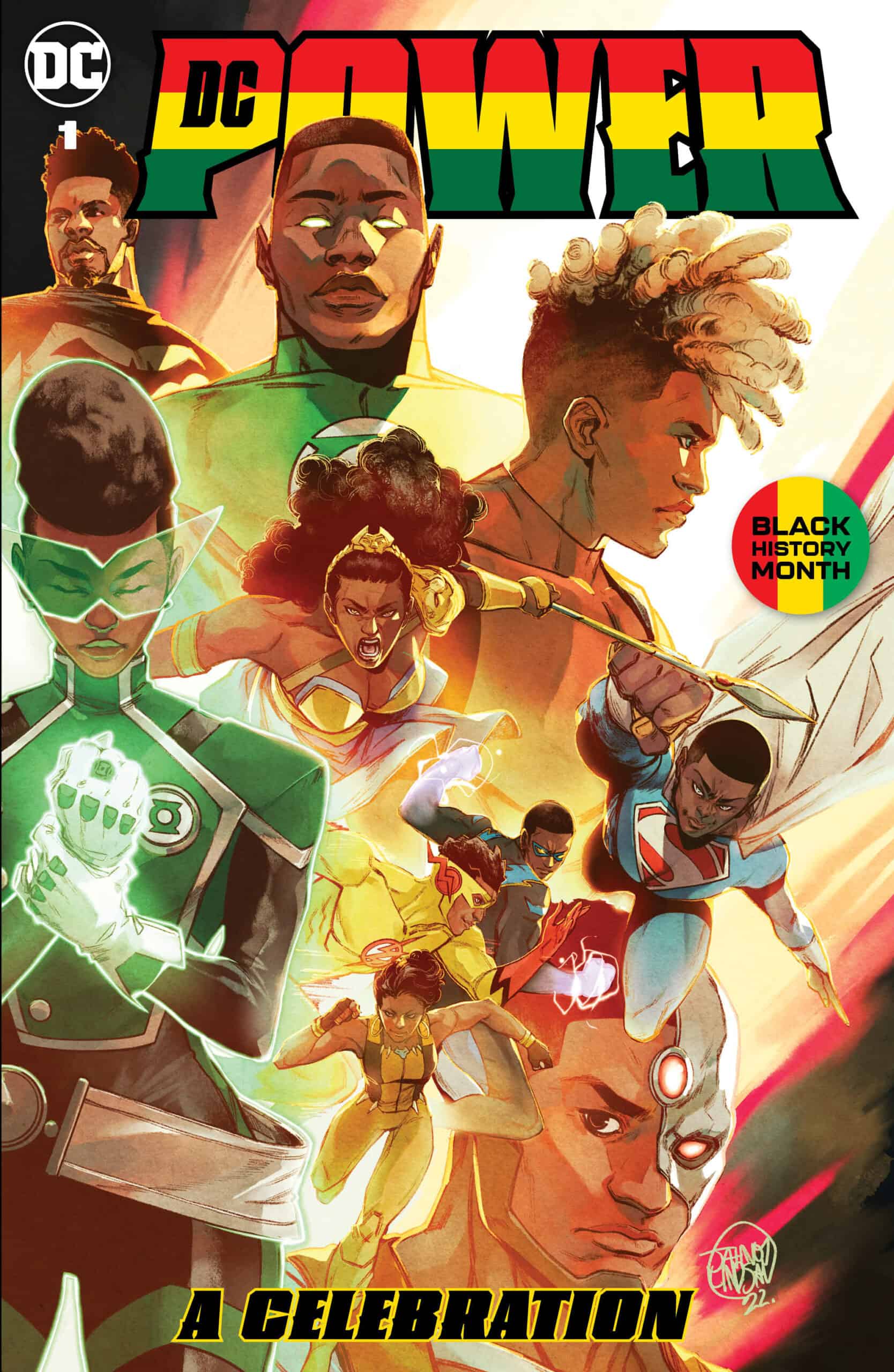
While things have changed since I was a kid in the early 2010s, we still have a long way to go. As of now their are almost no black lead superhero comics, despite both Marvel and DC Comics having a plethora of characters to write about. I am not telling anyone how to do their job, but if their is one thing I have learned is that not only does representation matter for the well being of young people, but it can also inspire real life empathy and change in someone’s worldview. We as fans need to not only consume more representation in media, but demand more of it. Just last week DC Comics released a comic titled The New History of DC Universe: The Dakota Incident. This is a comic about heroes created by Milestone Media, a team of artists and writers who set out to create more diverse superheroes. In a recent interview for AIPT Joseph Illidge said
“So I really want to see 100,000 copies of The Dakota Incident. Is that 100,000 readers? Is that 70,000 readers, but people buy a bunch of different covers? Enough sales of that book can happen then that tells DC that a new Static ongoing is not optional.”
So I encourage you if you can to buy your own copies, If not for yourself, than do it for a little girl asking her mom if she can change how she looks.
Leave a Reply